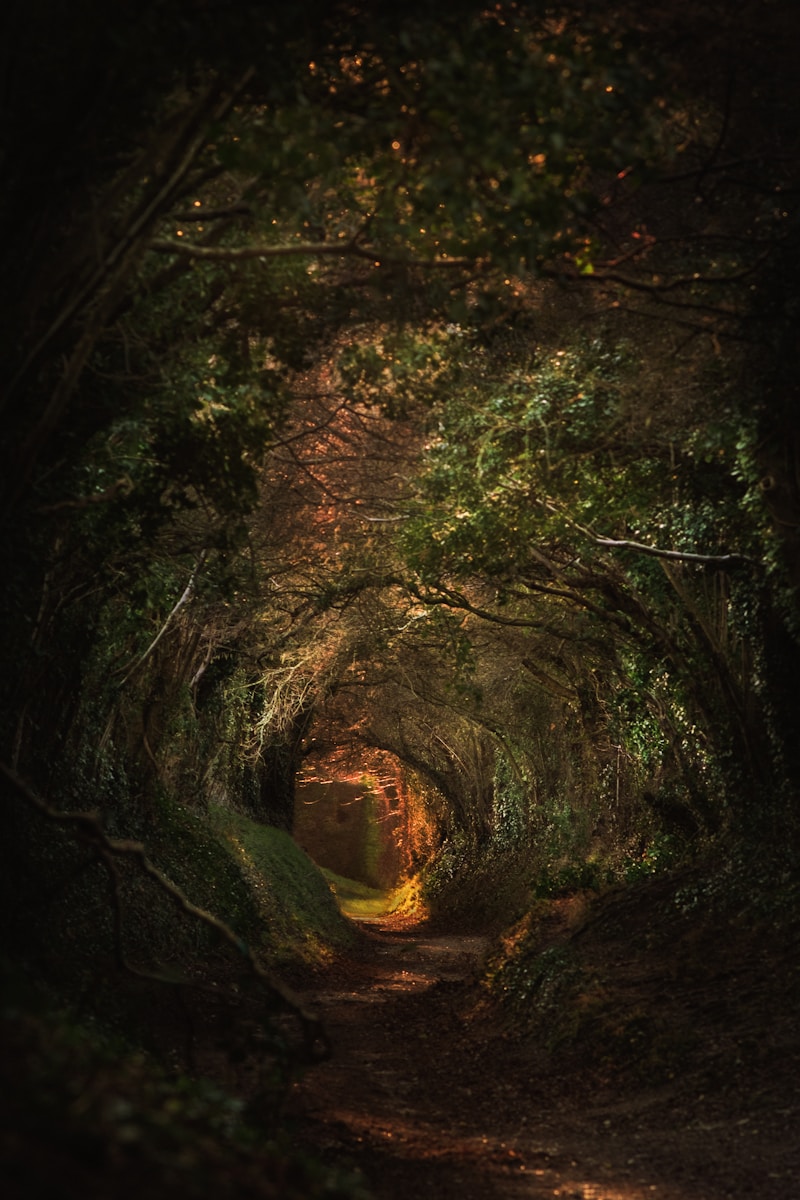
If you’ve felt YA fantasy slipping from glittering ballrooms into moonlit graveyards, you’re not imagining it. The genre has taken a decisive turn toward shadow, more moral gray, sharper stakes, and worlds that refuse to coddle you. Why YA fantasy is getting darker (and why that’s a good thing) comes down to this: you’re living through complicated times, and your stories are evolving to meet you where you are. Darker doesn’t mean hopeless or gratuitous. It means honest, emotionally ambitious, and, at its best, cathartic. Here’s how the shift happened, what “dark” actually looks like on the page, and why it may be the healthiest thing to happen to teen reading in years.
From Fairy-Tale Comforts to Liminal Shadows: A Brief Evolution of YA Fantasy
YA fantasy didn’t start out all brooding courts and morally thorny choices. Early mainstays leaned on fairy-tale DNA, clear villains, luminous quests, and tidy closures, even when they flirted with danger. Then came a slow pivot. The 2000s–2010s saw dystopias and high fantasy put teens at the center of collapsing systems. You watched heroes survive televised death matches, topple empires, and pay realistic prices for power.
By the late 2010s, the center of gravity shifted again. Heists brought found-family antiheroes to the fore. Faerie politics turned seductive and cruel. Necromancers, monster girls, and scholar-warriors complicated what “chosen” means. The result? Liminal worlds where you can hold wonder in one hand and consequence in the other. Instead of offering escape from reality, darker YA fantasy refracts it, so you can look straight at fear, grief, ambition, and desire without looking away.
What “Darker” Really Means in YA Fantasy
Complex Moral Worlds, Not Grimness for Its Own Sake
When YA fantasy goes dark well, it resists cartoonish evil. You get characters who make costly choices for reasons that make uncomfortable sense. The enemy across the battlefield might also be a victim of the same system. A queen can be both a savior and a tyrant. Darker, here, means stories that trust you to navigate ambiguity, without a neon arrow pointing to “right.” It’s the opposite of edge for edge’s sake: it’s edge with purpose.
Higher Stakes: Trauma, Power, and Consequence
The new darkness acknowledges fallout. Magic changes you: violence reverberates: leadership isolates: survival leaves marks. You’re not shielded from trauma, but you see coping, therapy-adjacent support, and messy healing. That matters. It models what happens after the battle, after the betrayal, after the crown, when you still have to wake up and live with your choices.
Genre Mashups That Broaden Emotional Range
You’re also seeing fantasy blend with horror, thriller, and gothic traditions: haunted schools, bone magic, monster romances, and political intrigue threaded with dread. These mashups widen the emotional palette, letting a book be swoony, unsettling, and thoughtful at once. The result is a darker tone that invites you to question who the monster is and whether the castle you coveted was always a cage.
Why the Shift Is Happening Now
Cultural Reality Check: Teens Confront Real-World Uncertainty
You grew up amid climate headlines, social movements, political whiplash, and a news cycle that barges into your feed hourly. It’s only natural that your fantasy mirrors that uncertainty. The point isn’t to overwhelm you: it’s to hand you a mythic toolkit for naming chaos, processing fear, and imagining change.
Platform Power: Online Communities Reward Nuance
BookTok, BookTube, and fan spaces amplify layered stories. Nuance generates discussion, edits, fan art, and rereads, social currency that lighter, one-and-done plots can’t always match. When communities celebrate morally gray characters and slow-burn dread, publishers notice, and more nuanced projects get greenlit.
Market Maturity: Aging Cohorts and Crossover Readership
Readers who cut their teeth on early-2010s YA stuck around. As you age, your tastes evolve toward complexity: authors and imprints have followed suit. Meanwhile, adult readers cross into YA for pace and heart, bringing expectations for depth. Darker YA fantasy sits right in that Venn diagram: fast, feelings-forward, and thematically robust.
How Darker Themes Benefit Teen Readers
Building Empathy Through Moral Ambiguity
Facing choices without easy answers forces you to practice perspective-taking. When a heroine protects her people by striking an uneasy bargain, you’re invited to consider collateral damage and cultural context. Empathy grows when you can love a character, question them, and still understand them.
Practicing Resilience and Coping Skills Safely
Stories give you rehearsal space. You can experience fear, grief, and betrayal inside safe pages, then close the book and breathe. When characters model grounding techniques, seek help, or set boundaries, you absorb blueprints for your own life. That’s not just catharsis: it’s skill-building.
Raising Information Literacy and Critical Thinking
Darker fantasy often features propaganda, unreliable narrators, and institutional gaslighting. Spotting manipulation on the page helps you spot it offline. You learn to verify claims, notice who benefits, and ask better questions, core information literacy in a world of algorithmic noise.
Expanding Representation and Emotional Vocabulary
As YA fantasy broadens, you see more identities, cultures, and mental health experiences take center stage. That diversity expands your emotional vocabulary: words for numbness, righteous anger, survivor’s guilt, complicated love. When you can name a feeling, you can navigate it. That’s powerful.
Navigating the Line: Risks and Responsible Reading
Age Signposts, Content Notes, and Context Setting
Darkness without guidance can backfire. You deserve clear content notes, age ranges, and jacket copy that set expectations. Before you immerse, check publisher categories, librarian tags, or author notes. A two-sentence heads-up about themes like self-harm, abuse, or on-page death lets you choose your moment and your mood.
Supporting Sensitive Readers Without Censorship
Sensitivity isn’t a weakness: it’s data. If a book spikes your anxiety, it’s okay to pause, skim past a scene, or DNF. Gatekeeping isn’t the answer, options are. Audiobooks can soften intensity: reading with a friend can distribute the weight: bookmarking hopeful chapters can steady you on darker nights.
Guides for Parents, Librarians, and Educators
If you support teen readers, your job isn’t to shield so much as to scaffold. Offer choice, provide context, and open space for debriefs. Ask what felt heavy, what felt true, what felt empowering. Pair dark fantasy with nonfiction or classroom discussions, and you transform discomfort into critical insight.
Standout Series Leading the Trend (2010s–Now)
Moral Grey Heroes and Antiheroes
If you crave heists and hard choices, you’ve likely reached for Leigh Bardugo’s Six of Crows duology, found family, trauma-tinged backstories, and a city that bites back. Holly Black’s The Folk of the Air revels in treacherous faerie politics where clever cruelty and ambition cut deep. Sabaa Tahir’s An Ember in the Ashes cycles wrestle with empire, resistance, and the cost of survival. Neal Shusterman’s Arc of a Scythe trilogy pushes you to debate death, control, and ethics in a chillingly plausible future.
Mythic Retellings With Real-World Parallels
Retellings aren’t just costume changes: they’re commentary. Tracy Deonn’s Legendborn reframes Arthurian myth through grief, racism, and ancestral magic in the contemporary South. Chloe Gong’s These Violent Delights transplants star-crossed lovers into monster-haunted 1920s Shanghai, interrogating nationalism and power. Roshani Chokshi’s The Star-Touched Queen duology blends deathly myth with agency and consequence.
Dark Academia and Gothic Fantasy Crossovers
Gothic corridors and cursed curricula have stormed YA shelves. Think Naomi Novik’s Scholomance trilogy (upper-YA/NA edge) with its predatory school and razor-wire morality, or V. E. Schwab’s Gallant, where family secrets and shadow-realms press in. Erin A. Craig’s House of Salt and Sorrows spins a moody, sea-swept descent into grief and madness. These worlds make dread atmospheric, not gratuitous, perfect for when you want eerie beauty with your blood oath.
Conclusion
Why YA fantasy is getting darker (and why that’s a good thing) comes down to trust. Authors trust you to handle complexity: you trust stories to tell the truth about harm and hope. In that exchange, you gain empathy, grit, and sharper tools for a noisy world. Keep choosing intentionally. Seek content notes. Talk about what unsettles you. And when a book walks you to the edge of the forest, step in, lamp in hand, spine straight, ready to meet whatever waits in the trees.
No responses yet