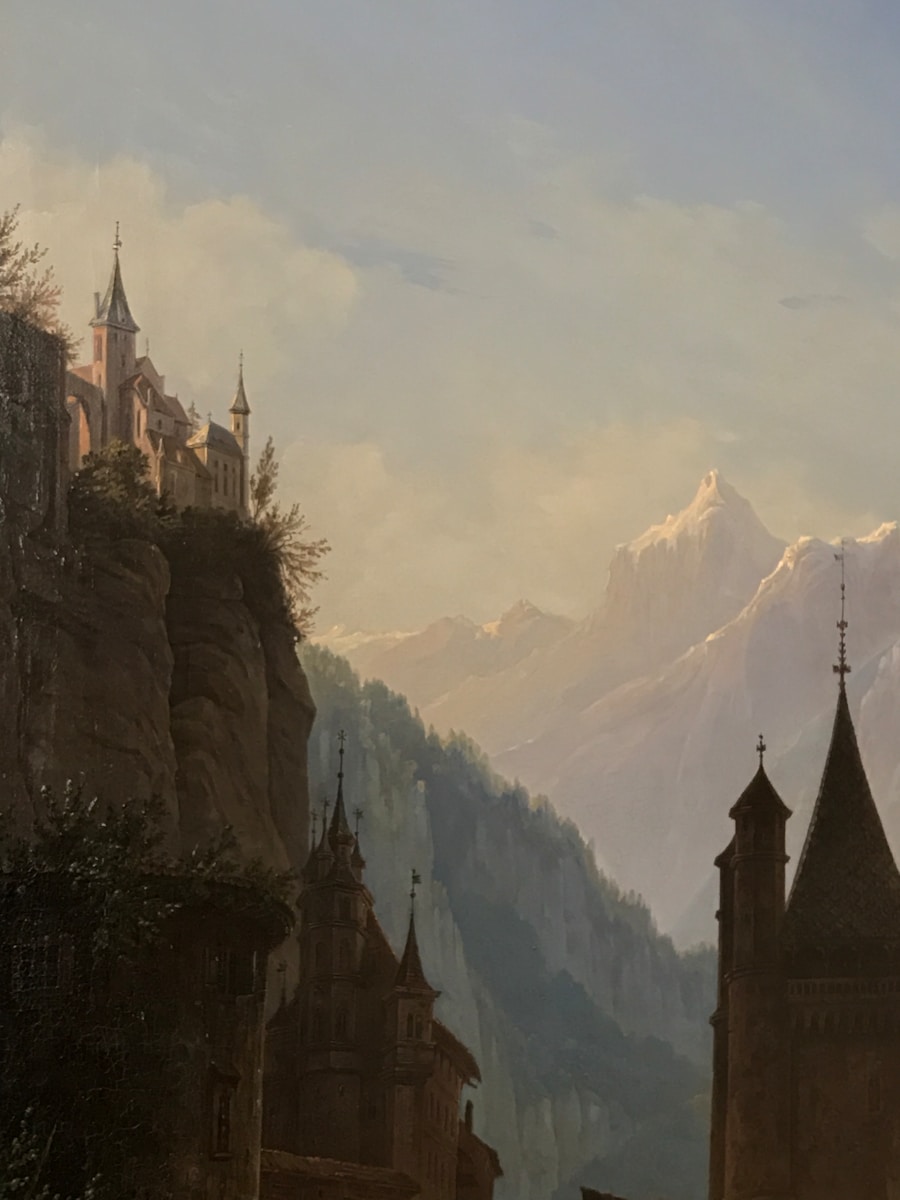
You love magic, but you’re picky about the mood. Do you want spells sparking down modern streets with a wink of hope, or a brutal world where power always exacts a price? Urban fantasy and grimdark both deliver unforgettable stakes, yet they feel wildly different in tone, morality, and the kind of catharsis you get at the end. This guide breaks down Urban Fantasy vs. Grimdark so you can pick your next read with confidence, whether you’re hunting for a breezy, streetwise mystery or a jagged epic that stares down the void and doesn’t blink.
Urban Fantasy Essentials
Core Traits And Tone
Urban fantasy plants magic in the now: city buses, dive bars, office cubicles, plus vampires at happy hour and a detective who keeps cold iron in the glove compartment. The tone leans kinetic and conversational. You’ll often get first‑person narration, snappy banter, and a sense that even when things get dark, you’re meant to root for the protagonist to push through.
Hope matters here. Choices tend to matter, too, moral clarity isn’t perfect, but there’s usually a line between the monsters and the people trying not to be one. The pacing is brisk, the mystery element strong, and the emotional landing often leaves you with found family, a solved case, or at least a promise to fight another day.
Common Tropes, Settings, And Protagonists
Expect secret supernatural communities, hidden courts under subway tunnels, magical law enforcement, and neighborhood politics that get literal when the local river spirit is grumpy. Tropes you’ll recognize: the reluctant hero with a gift, the PI mage, the werewolf pack with strict rules, and the fae who always demands a price.
Settings skew contemporary, Chicago, London, Atlanta, Portland, where folklore collides with tech. Protagonists are often investigators, fixers, bartenders, librarians, or cops who straddle mundane and magical worlds. They’re competent but outgunned, quick with a quip, and they collect allies, witches, vamps, fae knights, like others collect parking tickets.
Representative Authors And Series
If you’re testing the waters, Jim Butcher’s The Dresden Files is a blueprint: wizard‑detective, noir vibes, found family that compounds over time. Patricia Briggs’s Mercy Thompson blends shapeshifters, quiet resilience, and grounded romance. Ilona Andrews’s Kate Daniels delivers ferocious action in a post‑shift Atlanta where magic and tech seesaw. Ben Aaronovitch’s Rivers of London offers dry humor, procedural glow, and river gods with personality. Seanan McGuire’s October Daye skews fae‑heavy with aching heart and hard‑won victories. Neil Gaiman’s American Gods sits at the fringes, bigger Americana mythic vibe, but its modern‑magic sensibility often resonates with UF readers.
Grimdark Essentials
Core Traits And Tone
Grimdark is the genre that asks, “What if the world doesn’t care if you’re good?” It trades quippy catharsis for moral entropy, where noble intentions corrode under pressure and victory rarely arrives clean. The tone is cynical but incisive: sharp political edges, gallows humor, and a steady refusal to flinch. You may not get heroes so much as self‑aware survivors.
Your compass here isn’t hope: it’s consequence. Choices spiral. Systems are rigged. Mercy is expensive. When tenderness appears, it’s startling and profound specifically because it’s scarce.
Common Tropes, Settings, And Protagonists
Expect war‑torn kingdoms, broken empires, thieves’ guilds with teeth, and magic that demands blood, sanity, or both. Common devices include unreliable narrators, betrayals baked into the premise, shifting alliances, and battles that end with pyrrhic wins at best.
Protagonists? Often antiheroes: mercenaries, assassins, failed nobles, or soldiers who know the price list of every sin. They’re competent, compromised, and painfully aware of which institutions will grind them up. Their growth arcs skew inward, survival, clarity, grim acceptance, rather than outward heroism.
Representative Authors And Series
Joe Abercrombie’s The First Law is practically the genre’s calling card: viciously funny, character‑driven, with consequences that linger. Mark Lawrence’s The Broken Empire follows a brilliant, monstrous prince you may hate yourself for understanding. George R. R. Martin’s A Song of Ice and Fire isn’t pure grimdark by every definition, but its political brutality and moral ambiguity made the template mainstream. Add Anna Smith Spark’s The Empires of Dust for lyrical savagery, Richard K. Morgan’s The Steel Remains for bleak, cutting commentary, and Ed McDonald’s Raven’s Mark for gunpowder grit laced with void magic.
How They Differ: A Head-To-Head
Tone, Morality, And Themes
Urban fantasy tends to promise that doing the right thing matters, even if you can only do it on your block. Community and chosen family soften the blow. In grimdark, morality is situational and frequently punished: good deeds can trigger worse outcomes. Themes in UF center on identity and coexistence: in grimdark, power and consequence are the main currencies.
Worldbuilding And Magic Systems
Urban fantasy hides the arcane inside the everyday. Magic cohabits with modern infrastructure, warded apartments, fae courts in abandoned stations, precincts with a supernatural desk. Rules exist, and folklore logic often applies, but the system’s there to spark creative problem‑solving.
Grimdark worldbuilding is often pre‑industrial or war‑scarred, with economic and political systems that grind people down. Magic is costly, scarce, and corrupting. It’s less “use the right charm” and more “bargain with something that will own you later.”
Stakes, Violence, And Content Intensity
UF can get bloody, but most entries fade to black on the worst parts or frame violence as obstacle, not spectacle. Grimdark goes granular: psychological damage, battlefield horror, sexual violence references or depictions (content varies), all to explore how power deforms people and nations. If you want boundaries kept, UF is generally safer: if you want those boundaries challenged, grimdark delivers.
Pacing, Plot Arcs, And Endings
Urban fantasy runs fast: case‑of‑the‑week plots inside longer arcs, with satisfying mile‑markers and recurring villains. Endings usually give you a win, even if it’s messy. Grimdark prefers slow burns and cascading fallout. Endings may be ambiguous, bitter‑sweet, or downright bleak, emotionally honest rather than comforting.
Who Will Love Each Genre
If You Want Contemporary Vibes And Hope
Pick urban fantasy if you want a familiar city spiked with wonder, mysteries you can unravel, and a protagonist who can’t help trying. You’ll enjoy the rhythm: quips, clues, confrontations, and a finale that leaves a window open to tomorrow.
If You Crave Grit, Ambiguity, And High Stakes
Reach for grimdark if you prefer narratives that interrogate power without flattery. You want flawed people in impossible systems, not tidy answers. You don’t mind learning the hard way alongside them, and you value hard‑earned slivers of grace over grand gestures.
Content Sensitivities And Age Considerations
Urban fantasy often suits older teens and adults: intensity varies, but many series manage PG‑13 to soft‑R levels. Grimdark is largely adult fiction with heavier violence, trauma, and moral complexity. If you’re content‑sensitive, scan trigger warnings or community notes first. No shame in curating your own comfort level.
Bridges, Hybrids, And Adjacent Subgenres
Where The Lines Blur
Genres aren’t cages. You’ll find urban settings with grim edges (vampire politics that feel like corporate espionage), and epic fantasies with modern sarcasm. Contemporary fantasy like The Magicians leans darker than typical UF, while some military or low‑magic epics graze grimdark without fully embracing its nihilism. Even within a single author’s catalog, tone can vary wildly from book to book.
Good Entry Points For Each Path
For urban fantasy on‑ramps, start with The Dresden Files (Storm Front), Rivers of London (Midnight Riot in the US), or Mercy Thompson (Moon Called). For grimdark, try The Blade Itself (Abercrombie) for character‑first carnage, Prince of Thorns (Lawrence) if you can handle a brutal protagonist, or Blackwing (McDonald) for a punchy, bleak magic‑meets‑muskets vibe.
How To Choose Your Next Read
Quick Decision Checklist
- Do you want magic in a city you recognize? Choose urban fantasy.
- Do you want to examine power when it hurts? Choose grimdark.
- Need brighter endings and recurring crews? UF.
- Comfortable with moral gray and casualties? Grimdark.
- Craving procedural puzzles? UF. Political machinations? Grimdark.
Sample Reading Paths Based On Mood
If you’re in the mood for witty banter after work: pick Rivers of London or Kate Daniels. Want a bingeable long arc with escalating stakes? The Dresden Files will carry you for dozens of entries. If you’re restless for razor‑edged character studies, start The First Law. Want bleak beauty and strange gods? Try The Steel Remains or The Empires of Dust. If you want to test grim without drowning in it, Blackwing offers pace, grit, and just enough light to see by.
Conclusion
Urban Fantasy vs. Grimdark isn’t a rivalry, it’s a spectrum of how stories handle magic, morality, and consequence. If you want momentum, modern slang, and found family, urban fantasy will feel like home. If you want sharp truths, compromised choices, and stakes that bite, grimdark will challenge you in the best way. Either way, you win: you’re about to find a world you won’t want to leave.
No responses yet